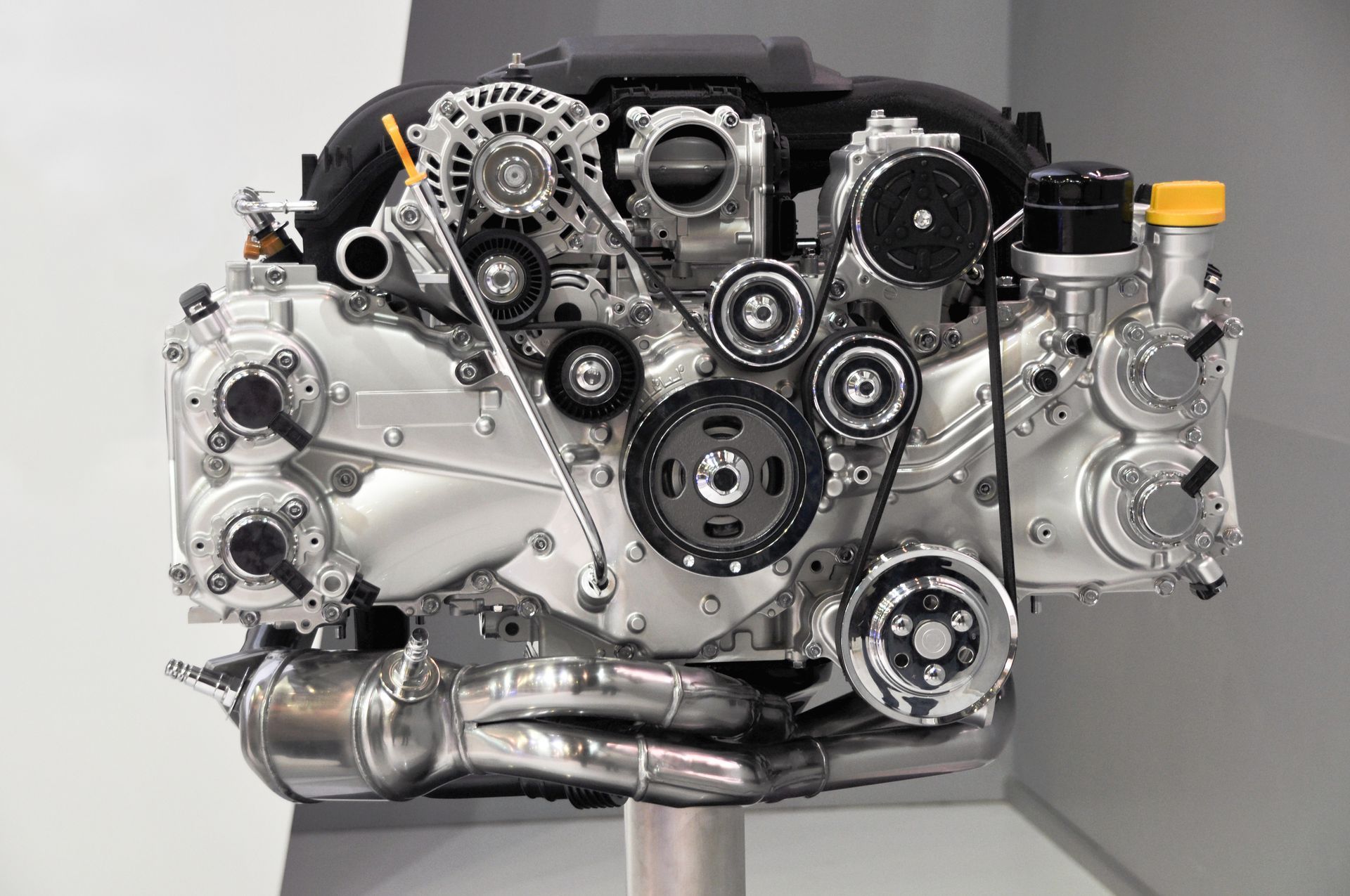
At our shop, we often see people come in who think a car that won't start simply needs a new battery. While the battery is usually the first suspect, the alternator is the quiet piece of the electrical system that actually keeps the whole show running once the engine is alive. If the battery is the bucket that holds the electricity, the alternator is the faucet that keeps it full. When that faucet stops dripping, your car is essentially running on borrowed time. Recognizing the early warning signs of a failing alternator can be the difference between a quick trip to the shop and an expensive tow from the middle of a busy intersection.
The Strange Sight and Sound Show
Your car is surprisingly good at communicating its problems if you know what to listen for and what to look at. An alternator is a mechanical part with spinning internals, so when it starts to fail, it often makes its presence known through your senses.
Growling or Whining Noises: Inside the alternator, there are bearings that allow the internal shaft to spin at high speeds. If these bearings wear out or get dirty, they start to protest. You might hear a low growl or a high-pitched whine that gets louder as you rev the engine.
The Smell of Burning Rubber or Wires: The alternator is driven by a rubber belt. If the alternator pulley is not spinning freely, the belt can slip and create a very distinct burnt rubber smell. Additionally, an overworked alternator might actually start to smell like a hot electrical fire as the internal wires get too hot.
Flickering or Pulsating Lights: Since the alternator provides the steady stream of power your car needs, a failing one will cause inconsistent voltage. You might notice your headlights getting brighter when you hit the gas and dimmer when you idle at a red light.
Dashboard Warnings
Modern cars are essentially rolling computers, and computers are very picky about their power supply. When the voltage starts to drop, the car starts to shut down non-essential systems to save enough juice to keep the spark plugs firing.
You might notice that your seat heaters suddenly stop working or your GPS screen starts to flicker. These are not random glitches. It is your car's way of triage. Most vehicles also have a specific warning light that looks like a little red battery. Many people assume this means the battery is dead, but it actually indicates a fault in the charging system. In some cars, this light might display as ALT or GEN, but regardless of the symbol, it means the alternator is no longer keeping up with the demand.
The Slow Death of the Battery
A bad alternator will eventually kill even a brand new battery. If the alternator is not recharging the battery as you drive, the battery has to do all the heavy lifting. Batteries are designed to provide a big burst of power to start the engine, but they are not meant to power the whole car for long periods.
If you find yourself needing a jump start every morning, do not just assume you need a new battery. If we put a fresh battery in a car with a dead alternator, that new battery will be flat again within an hour of driving. At the shop, we always test the charging output before we sell anyone a battery because we want to make sure we are actually fixing the root cause of the problem.
Why You Should Act Fast When It Comes to the Alternator
An alternator rarely fails all at once. Usually, it gives you a few days or even weeks of subtle hints. Ignoring these hints is a recipe for disaster. If the alternator completely seizes up, it can snap the drive belt, which often powers your water pump and power steering too. Suddenly, you are not just dealing with an electrical issue; you are dealing with an overheating engine and a car that is very difficult to steer.
Test Your Charging System at Burke View Garage
If your car has been acting a little bit moody lately or if you are hearing strange noises from under the hood, do not wait until you are stranded. Stop by Burke View Garage in Lyndonville, VT, today and let us give your charging system a professional health check.