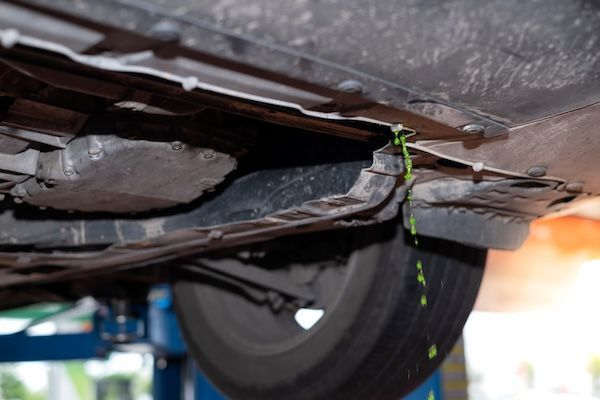
When shocks and struts are doing their job, the car feels settled and predictable over bumps and in corners. As they wear out, the ride changes slowly, so you may get used to extra bounce or body roll without realizing it. If the vehicle starts to feel loose, busy, or harsh, that is often your first clue that these parts are getting tired.
What Shocks and Struts Do for Your Car
Shocks and struts control how quickly the suspension moves, so the tires stay in steady contact with the road. The springs hold the vehicle up, while the dampers calm the body after every bump and turn. Inside, fluid and valves resist motion and turn it into heat. When that internal hardware wears out or leaks, the wheels can hop and the body can sway more than it should, which makes the car feel unsettled and harder to keep in a straight line.
Everyday Driving Signs Your Shocks Are Getting Weak
Most drivers notice subtle changes long before anything is obviously broken. A common complaint is that the car feels busier than it used to, with more body movement over rough pavement. The vehicle may take an extra moment to settle after a dip or speed bump, or the front end may dive more under braking. You might also see the rear squatting more when you accelerate, or feel the body lean more in curves and recover slowly as you straighten out.
Bounce and Body Motion: Simple Driveway Tests
A couple of simple checks can give you a rough idea of shock and strut condition. With the vehicle parked, press down firmly on one corner of the bumper, then let go and watch what happens. A healthy suspension should come back up and settle in about one cycle, not keep bouncing several times. On the road, the body should take one clean motion after a dip or expansion joint and then feel planted again.
If it keeps bobbing or feels like it is floating instead of settling, the dampers are likely getting tired.
Noises That Point to Shock and Strut Problems
Worn shocks and struts often make themselves heard as well as felt. Some of the noises that show up include:
- Thumps or clunks over bumps when internal parts or mounts are loose
- Rattling from the top of the strut tower where the mount has worn out
- Squeaks or groans when turning or going over angled driveways
These sounds can come from other suspension parts too, which is why a lift inspection matters. When we check a noisy suspension, we look at strut mounts, shock bushings, and nearby components together so we do not miss a related issue.
Tire Wear and Braking Changes You Should Watch For
Because shocks and struts help keep the tires planted, their condition shows up in tire wear and braking behavior. If the tires start to show cupping or scalloped patterns, especially on the front, it may be a sign that they are bouncing instead of staying glued to the road.
You might also feel the vehicle take longer to stop, or notice the ABS activating more often on rough pavement, because the wheels are losing contact at just the wrong time. In sudden maneuvers, a car with weak dampers can lean more and feel less stable even if the brakes themselves are in good shape.
How to Help New Shocks and Struts Last
Once new shocks or struts are installed, a few simple steps can help them deliver a long, quiet life. Getting an alignment at the same time keeps the wheels pointed where they should be and prevents the suspension from fighting itself.
Rotating tires on schedule and keeping pressures correct lets the new parts work smoothly instead of constantly chasing irregular tread.
It also helps to slow down a little for known rough sections of road, which protects the dampers and the rest of the suspension and steering as well.
Get New Shocks and Struts in Lyndonville, VT with Burke View Garage
We can road test your vehicle, inspect the shocks, struts, and related suspension parts, and show you exactly what is worn. When replacement makes sense, we install quality components and set the alignment so the car feels stable and comfortable again.
Call
Burke View Garage in Lyndonville, VT, to schedule a suspension check and get your ride and control back where they should be.