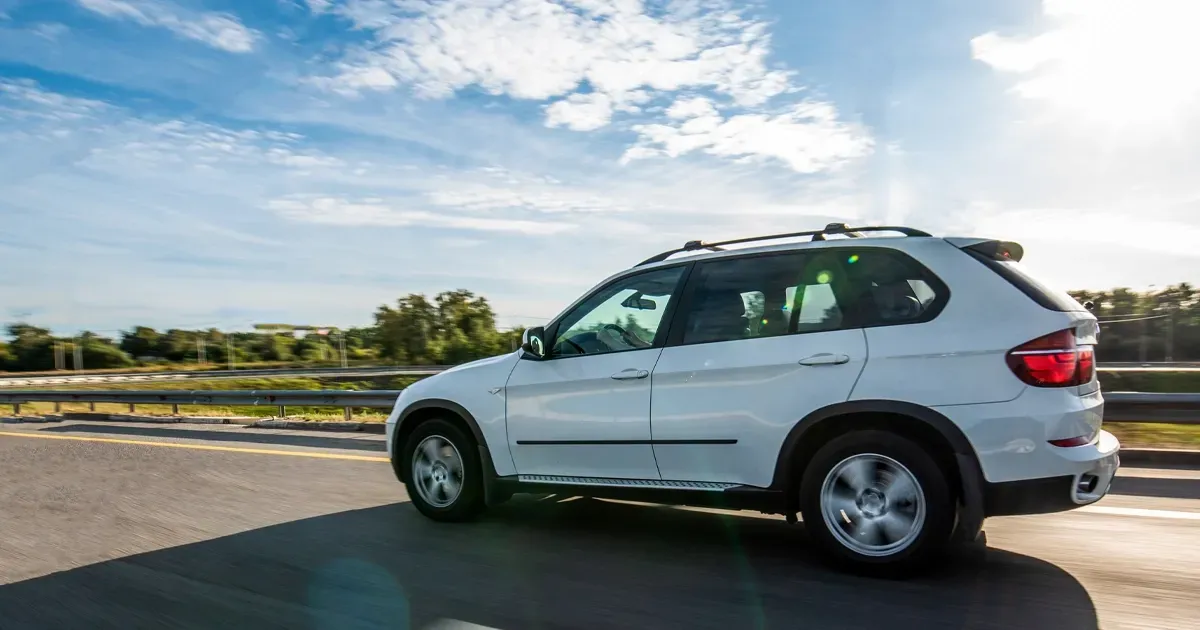
SUVs are popular for good reasons. They sit higher, carry more people and gear, and often feel safer and more comfortable on rough roads. The part many drivers do not expect is that the same traits that make SUVs appealing can also raise the cost of keeping them in good shape.
Higher maintenance costs are not always about fancy badges or luxury options. A lot of it comes down to weight, tire size, drivetrain complexity, and how hard SUVs work in everyday driving.
Once you know where the costs come from, you can usually plan smarter and avoid the worst surprises.
Extra Weight Means Faster Wear On Consumables
SUVs are heavier than many sedans, and weight affects almost everything that wears out. Brakes have to work harder to slow the vehicle down, and that can mean pads and rotors wear faster, especially in stop-and-go traffic. Tires also take more load, which can increase heat and speed up wear, particularly if alignment is even slightly off.
Suspension parts feel it too. Bushings, ball joints, and wheel bearings carry more stress over bumps and turns. That does not mean an SUV is fragile, it just means the wear curve can be steeper if maintenance is delayed.
Tires Cost More And They Are Less Forgiving
SUV tires are usually larger, and bigger tires usually cost more. Many SUVs also use higher load-rated tires, and those can be pricier than standard passenger tires. If the SUV has larger wheels and low-profile tires, pothole damage can be more common and replacements can sting.
Tires are also less forgiving when something is slightly wrong. A small alignment issue that a sedan could tolerate for a while may chew up SUV tires quickly because the load is higher. Rotations and alignment checks are not glamorous, but they often pay for themselves in tire life.
AWD And 4WD Add Complexity
Many SUVs come with AWD or 4WD, and that adds components and fluid services that a front-wheel-drive sedan does not have. You may have a rear differential, a transfer case, and additional driveline parts that need attention over time. When those systems are neglected, the repairs can get expensive.
There is also a tire matching factor. On many AWD systems, mismatched tire sizes or uneven tread depth can stress the drivetrain. That is why tire replacement strategy matters more on an SUV, and why rotating regularly is a cost-control move.
More Suspension, More Features, More Things To Maintain
SUVs have more suspension travel and more hardware to control body movement. Some models add air suspension, adaptive dampers, or other comfort features that improve ride but also add maintenance and repair costs as the vehicle ages. Even when the SUV is not a luxury model, larger brakes, bigger hubs, and more substantial suspension parts can still cost more.
Safety and comfort tech can be part of the equation too. Driver-assist systems rely on sensors and calibration, and a simple windshield replacement or alignment service can sometimes involve extra steps. None of this is a reason to avoid SUVs, it is just part of the ownership math.
Driving Style And Use Case Hit SUVs Differently
SUVs often get used harder than people admit. They haul kids, carry cargo, tow trailers, and spend time on rough roads or gravel. Even without towing, short trips and idling can stress engines and cooling systems over time. Add city traffic and potholes, and suspension and tires take a beating.
A cost-smart approach is matching maintenance to use. If you tow, drive in mountains, or sit in heavy traffic, fluid services and inspections may need to happen sooner than the generic schedule suggests. The SUV is doing more work, so it needs more attention to stay reliable.
A Practical Plan To Keep Costs Under Control
You cannot change the laws of physics, but you can control the big cost drivers. Stay consistent with tire rotations and keep alignment in check, because tires are one of the largest recurring expenses. Address small suspension noises early, since a simple bushing or link can turn into a tire-wearing problem if ignored. Keep up with fluid services for AWD or 4WD components so you are not paying for driveline repairs later.
Here are habits that tend to pay off on SUVs:
Rotate tires on schedule and replace them as a matched set when needed
- Watch for uneven wear and handle alignment issues early
- Keep brakes inspected before metal-to-metal contact happens
- Follow drivetrain fluid service intervals if equipped with AWD/4WD
- Fix small leaks early so fluids do not get low and cause bigger damage
Most SUV ownership gets cheaper when maintenance is proactive, not reactive.
Get SUV Maintenance in Lyndonville, VT with Burke View Garage
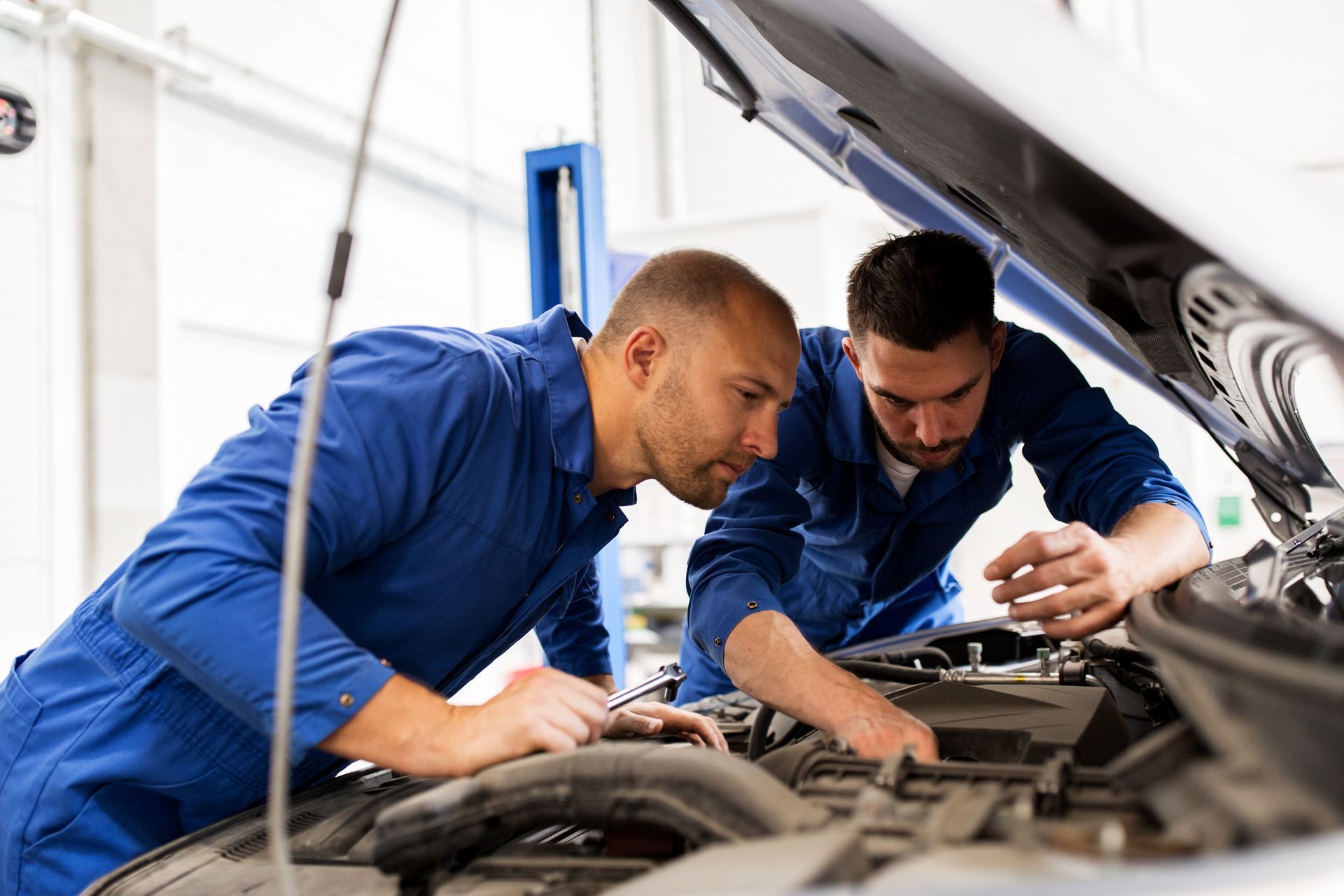
We can inspect your SUV, build a maintenance plan that matches how you actually drive, and help you prioritize what will protect your tires, brakes, and drivetrain. We’ll also point out the small issues that can turn into big expenses if they are left alone.
Call or schedule an appointment so you can keep your SUV reliable without getting surprised by avoidable costs.