You head out in the morning, turn the key or push the button, and instead of a quick start you get clicking, slow cranking, or nothing at all. The night before, everything seemed fine. Morning starting problems are frustrating because they always seem to happen when you are in a hurry.
The good news is that most of these issues come down to a handful of common causes that we see over and over again.
1. Weak or Aging Battery
The most common culprit for a car that will not start in the morning is a tired battery. Overnight, the battery cools down, and cold temperatures reduce its ability to deliver current. A battery that is just strong enough in the afternoon may struggle first thing in the morning, especially after a cold night.
You might notice slower cranking over several days, dim interior lights when you start, or a need to jump-start more often. Batteries typically have a useful life of a few years, depending on climate and driving habits. Short trips, lots of accessories, and extreme heat or cold can all shorten that life and bring on early morning trouble.
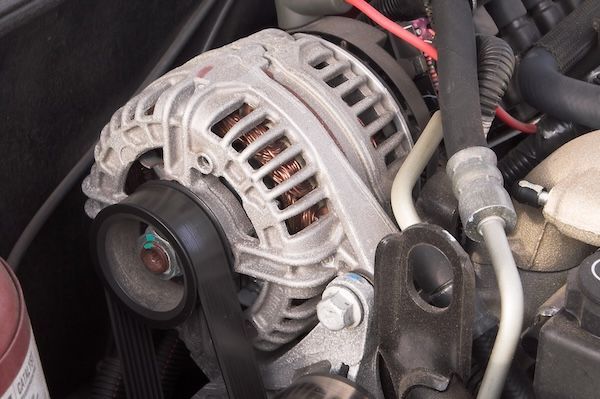
Some habits can push a marginal battery over the edge sooner. Leaving phone chargers, lights, or aftermarket accessories plugged in overnight can draw power while the car is parked. If the alternator is not quite keeping up, the battery never gets fully recharged and each morning start gets a little harder.
2. Corroded or Loose Battery Connections
Even a healthy battery cannot do its job if the power cannot get out. Corrosion on the terminals or loose clamps can create enough resistance that the starter does not receive full power. That often shows up as a single click or a brief attempt to crank, then silence.
In the morning, when everything is cold and metal has contracted slightly, a marginal connection is more likely to act up. You might see white or blue crust around the posts, or notice that the cables can move if you twist them by hand. Cleaning and tightening those connections safely is a simple fix that sometimes makes an immediate difference.
3. Starter Motor or Solenoid Problems
If the battery and connections are in good shape, the starter motor or its solenoid is the next suspect. The starter is the heavy duty electric motor that turns the engine over to get it running. As it wears, internal contacts can pit or stick, and the motor can lose strength.
Common signs include a single loud click with no cranking, intermittent starting trouble where the car fires up on the second or third try, or a grinding sound if the starter gear is not engaging correctly. Morning is often when these problems show up most clearly, because you are starting from a completely cold state after many hours of sitting. Once the engine has been started and the parts are warm, the starter may behave better for the rest of the day.
4. Fuel Delivery Issues
If the starter spins the engine normally, but it simply will not catch, the problem may be on the fuel side. A weak fuel pump, clogged fuel filter, or leaking fuel pressure regulator can let pressure bleed down while the car sits overnight. In the morning, the system has to work harder to build enough pressure for a clean start.
You may notice longer cranking before the engine fires, or that it starts and then stalls once or twice before settling into a smooth idle. In some cases, the car starts fine the rest of the day because the fuel system does not have as much time to lose pressure between trips. Our technicians often check fuel pressure both at key on and while cranking when we are chasing a first-start-of-the-day complaint.
5. Ignition or Sensor Problems
Modern engines rely on a mix of ignition parts and sensors to time the spark correctly. Worn spark plugs, failing ignition coils, or crank and cam sensors that are starting to drift can all make an engine reluctant to fire when it is cold. Once it has run a bit and warmed up, those parts may perform better, which is why the problem seems to vanish by lunchtime.
You might feel the engine catch and stumble, misfire for a few seconds, then smooth out. Sometimes a check engine light will store misfire or sensor codes even if it is not on all the time. We often see this on vehicles that are past due for spark plug service or that have had a minor performance issue ignored for a while.
Simple Checks You Can Safely Try at Home
There are a few basic checks you can do without tools that give useful clues before you bring the car in. None of these replaces proper testing, but they can help you describe what is happening.
- Watch and listen when you try to start: do you hear clicking, slow cranking, or no sound at all.
- Look at your interior and dashboard lights while cranking: if they go very dim or fade out, that points toward a battery or connection issue.
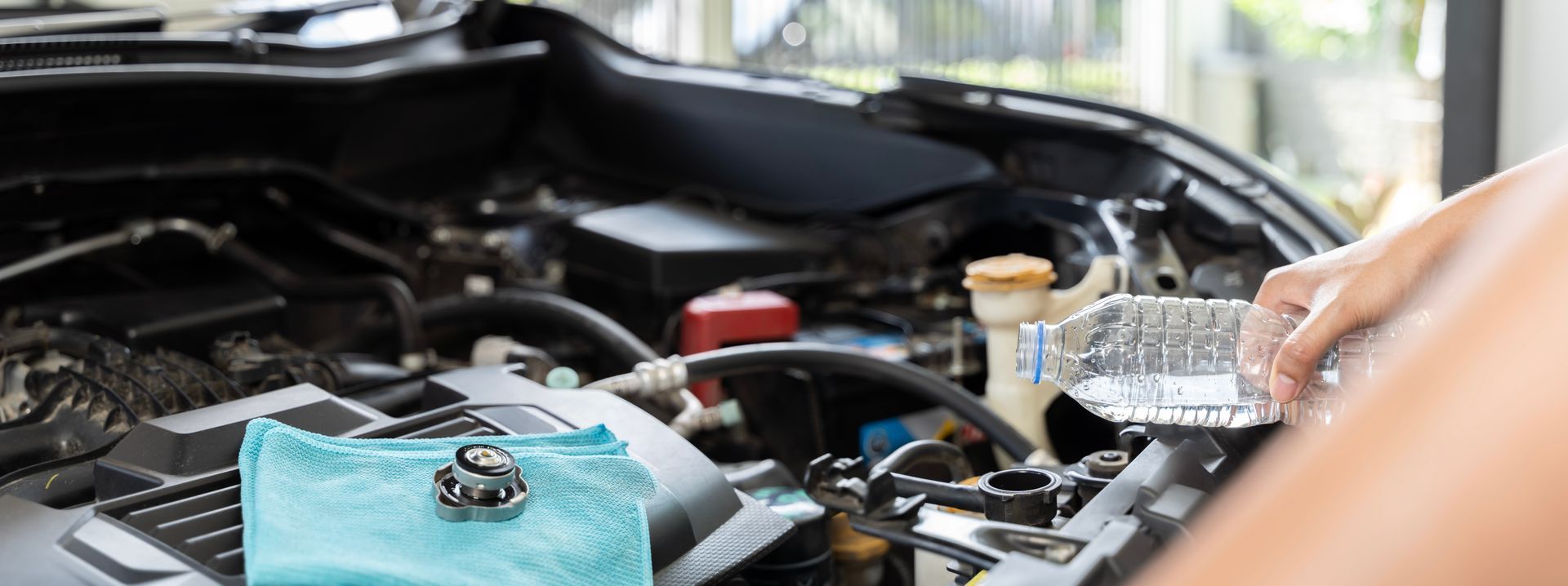
- Pop the hood and visually inspect the battery: check for a swollen case, heavy corrosion, or loose clamps.
- Pay attention to patterns: is the problem worse after cold nights, after the car sits for several days, or only after short trips?
Sharing those details gives us a head start on whether we should focus on the battery and cables, the starter, or the fuel and ignition systems. It also helps us spot issues that may be related, like an occasional stall or rough idle after it does eventually start.
Owner Habits That Make Morning Starting Problems More Likely
Everyday routines can quietly set the stage for trouble. Lots of short trips with the lights, heater, and electronics running give the alternator very little time to recover what the starter used. Letting minor hard start symptoms go for months instead of mentioning them turns small issues into larger ones.
Using old, worn keys in traditional ignitions or ignoring intermittent check engine lights can also play a part. We have seen many cars where addressing a simple tune-up item or fixing a small parasitic draw early would have prevented those stressful mornings when the car would not start.
Get Starting Problem Diagnostics in Lyndonville, VT with Burke View Garage
If your car is hard to start in the morning, cranks slowly, clicks, or needs more and more help from a jump pack, this is the right time to have it checked. We can test the battery and charging system, inspect connections, and perform a complete starting and charging diagnostic so we can arrive at the right diagnosis and repair.
Schedule starting problem diagnostics in Lyndonville, VT, with
Burke View Garage, and we will help you get back to reliable morning starts.