September changes the rhythm for many family vehicles. School drop-offs, work commutes, sports, appointments, and evening activities can turn one car into the most heavily used part of the household.
That makes early fall a useful time to catch up on basic vehicle checks. You are not looking for reasons to replace good parts. The goal is to spot worn tires, weak batteries, overdue service, or small mechanical changes before a packed weekday schedule makes them harder to handle.
1. Check All Four Tire Pressures
Cooler September mornings can lower tire pressure compared with hot summer weather. A few pounds of pressure loss may not look obvious, but it can affect steering response, tire wear, and fuel economy.
Check pressure when the tires are cold and use the specification on the vehicle placard. If one tire keeps dropping while the others stay steady, have it checked for a puncture, leaking valve, or wheel problem.
2. Look at Tire Tread and Sidewalls
Do more than glance at the outer edge of the tread. Inner shoulders can wear badly from alignment or suspension problems while the visible part of the tire still looks acceptable.
Look for uneven wear, cuts, cracks, embedded objects, or sidewall bulges. At our shop, we also compare wear from tire to tire because an unusual pattern can point to a problem elsewhere on the vehicle.
3. Check Brake Condition
School traffic brings plenty of low-speed braking, intersections, and pickup lines. If the brakes have started squealing, grinding, pulling, or vibrating, September is a good time to find out why.
During an inspection, we can check pad thickness, rotor condition, brake fluid level, hoses, and visible hydraulic components. A brake pedal that suddenly feels soft, low, or different from normal should be checked promptly rather than left to wait another month.
4. Test the Battery
A battery can start the engine normally and still have very little reserve capacity left. As temperatures change and daily starts increase, a marginal battery may start to show itself.
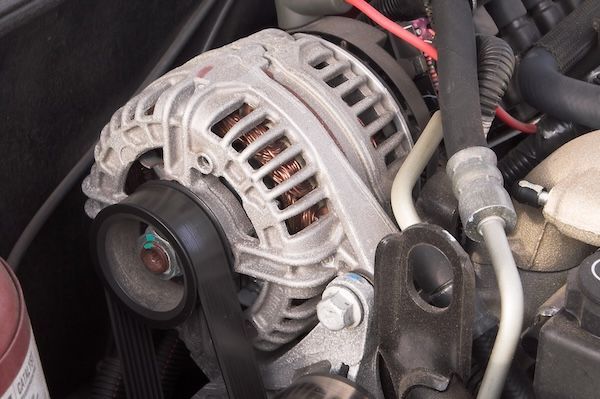
Slow cranking, clicking, dim lights during startup, or electronics resetting are useful clues. We test the battery along with alternator output and cable connections because corrosion or a charging problem can create symptoms that look like battery failure.
5. Verify the Engine Oil Level
Even if an oil change isn't due yet, you should still check the oil level. Some engines consume oil between services, and a small leak may lower the level without leaving a large puddle.
If service is coming due soon, handling it before the school schedule gets busier can save another appointment later. Regular maintenance should follow the correct interval for your particular vehicle rather than a one-size-fits-all mileage rule.
6. Check Coolant and Engine Temperature
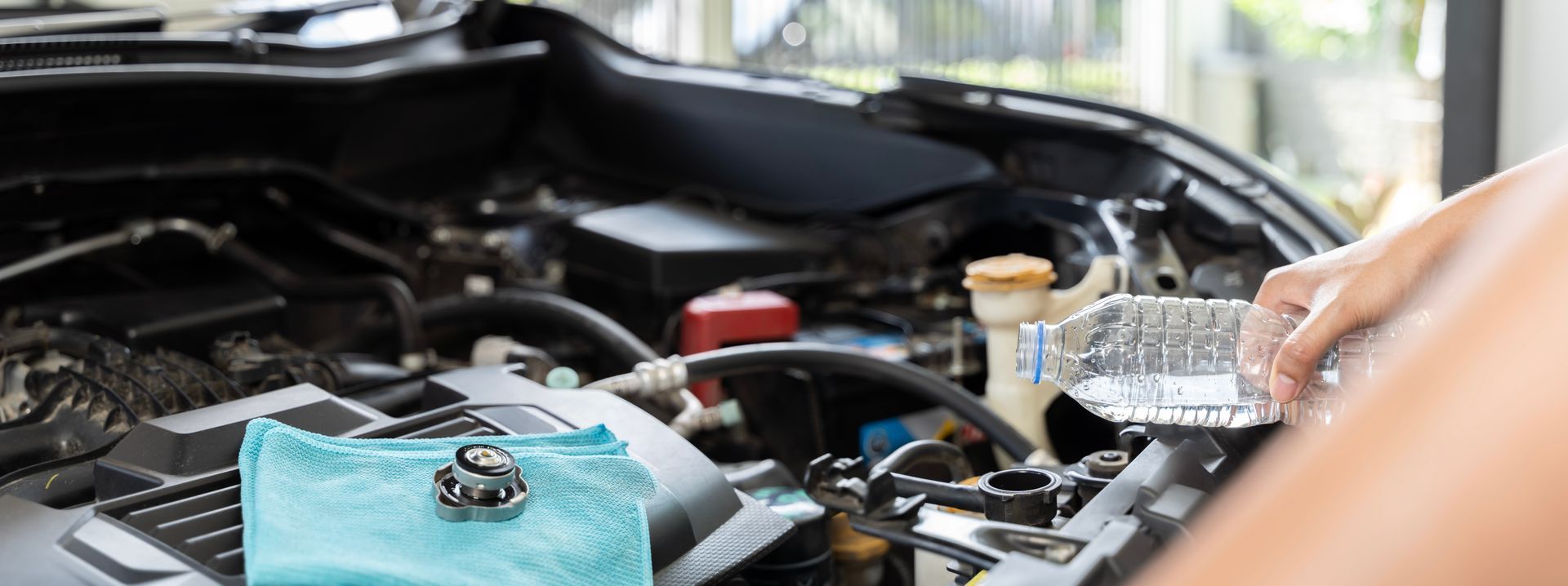
September can still bring warm afternoons, and school traffic may leave the vehicle idling or moving slowly for long periods. That puts more responsibility on the cooling fans and cooling system.
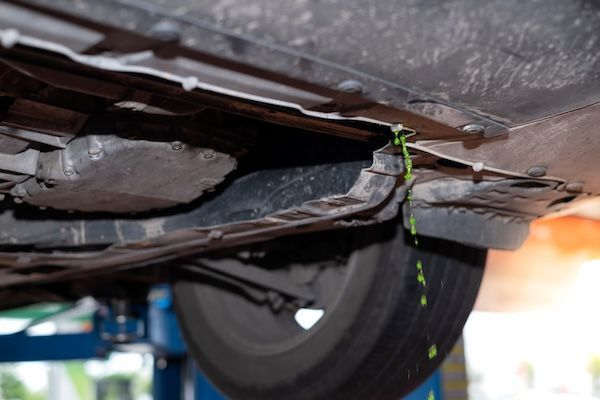
Watch the temperature gauge and look for coolant stains or a sweet smell after driving. If the level keeps falling or the engine runs hotter in traffic than on the highway, you may have a leak, a fan problem, a thermostat issue, or another cooling-system fault.
7. Test the Wipers and Washer System
Fall rain is much harder to deal with when wiper blades smear the windshield instead of clearing it. Run the washers and make sure the blades clean the glass without skipping or leaving large streaks.
Check the washer fluid level too. If the blades are chattering, splitting, or leaving areas untouched, replace them before you need maximum visibility during a dark, wet morning commute.
8. Make Sure Every Exterior Light Works
Headlights are only part of the lighting check. Brake lights, turn signals, reverse lights, parking lights, and license plate lights all need attention.
Many burned-out bulbs go unnoticed because the driver cannot see them from inside the car. Have someone operate the controls while another person walks around the vehicle. It takes only a few minutes and can catch a failed light before nighttime driving becomes more difficult.
9. Pay Attention to New Noises or Vibrations
A humming sound at speed, clicking while turning, clunking over bumps, or steering-wheel vibration is worth mentioning even if the vehicle still drives normally.
Those symptoms can come from tires, wheel bearings, CV axles, suspension parts, brakes, or other components. At Burke View Garage, we would rather trace a new noise while it is still small than wait until the part becomes loud enough to interrupt the family's schedule.
10. Do Not Ignore Dashboard Warning Lights
Warning lights are easy to postpone when the car feels fine. A check engine light, ABS warning, tire-pressure light, battery warning, or other message still means a system has detected something outside its expected range.
Some warnings allow time to schedule service, while others call for immediate action. Oil-pressure, overheating, and serious brake warnings should never become part of the normal dashboard display. If you are unsure what a warning means, get it checked rather than assuming it can wait.
Get Back-To-School Car Maintenance In Lyndonville, VT, With Burke View Garage
If your family vehicle is settling into a busy September schedule, Burke View Garage in Lyndonville, VT, can check the tires, brakes, battery, fluids, lights, cooling system, and other areas that affect everyday reliability.