Many car problems begin quietly. A small vibration, faint smell, or occasional delay may not feel urgent when the vehicle still starts and completes every trip. Drivers often adapt to these gradual changes until the affected part fails or another component becomes damaged.
Recognizing early warning signs gives you more time to plan a repair and may help prevent a breakdown. These eight concerns are especially easy to overlook because their symptoms often become familiar before they become severe.
1. Uneven Tire Wear
Tire wear develops slowly, so drivers may not notice a damaged inner edge, cupping, or one tire wearing faster than the others. The vehicle may still steer normally around town even though alignment or suspension wear is shortening tire life.
Check the full tread surface rather than looking only at the outer shoulder. Uneven wear can point toward incorrect pressure, worn shocks, loose steering parts, poor wheel balance, or alignment angles that need correction.
2. A Weak Battery
A weakening battery may crank the engine a little slower, especially on cold mornings. Because the vehicle eventually starts, the delay can seem harmless until the battery suddenly lacks enough power to turn the starter.
Battery testing can measure remaining starting capacity before the car leaves you stranded. The terminals, cables, grounds, and alternator should also be checked because poor charging or hidden resistance can make a healthy battery appear weak.
3. Small Coolant Leaks
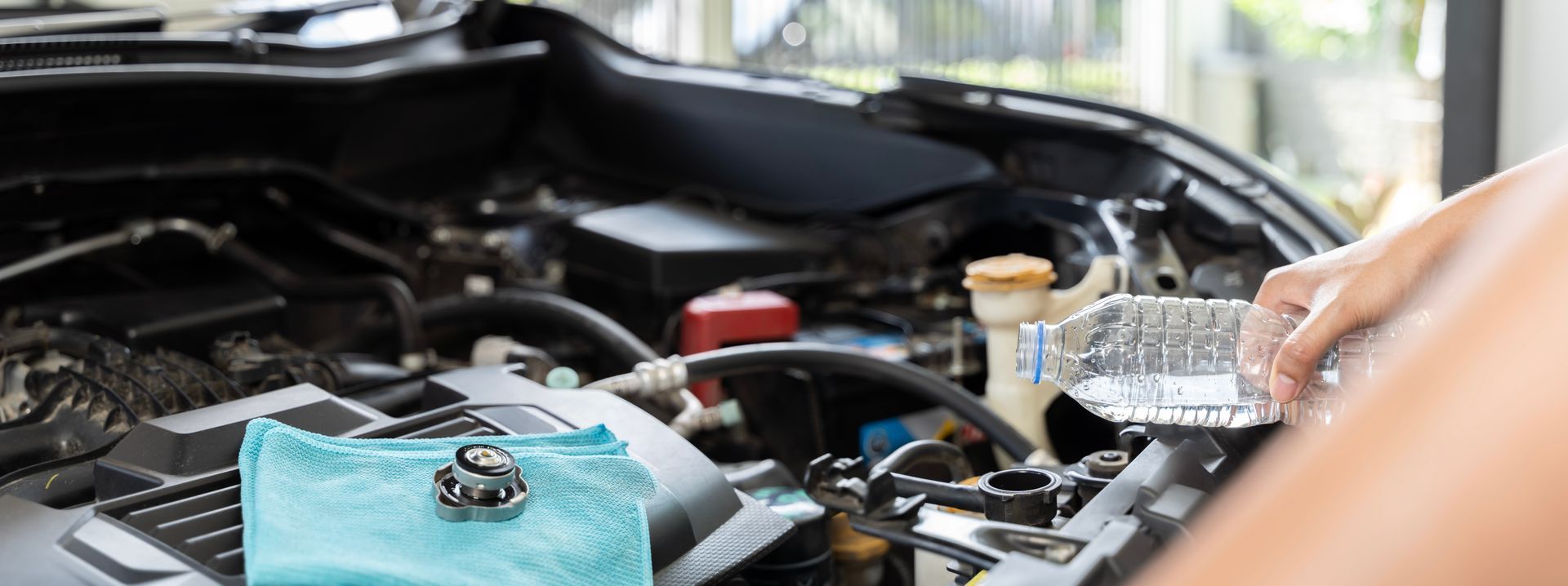
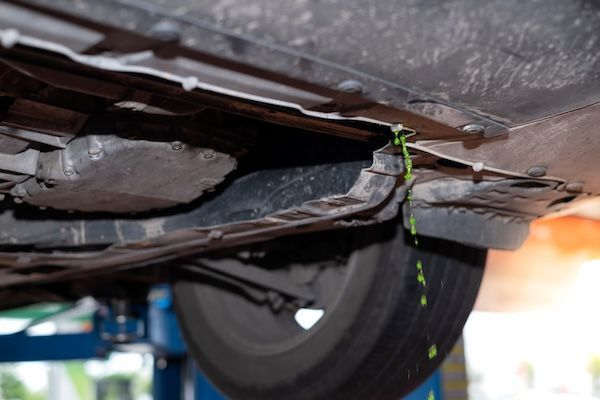
A coolant leak may begin with a faint sweet smell, dried residue near a hose, or a reservoir that needs an occasional top-off. Many drivers continue adding coolant without finding where it is escaping.
Hoses, radiators, water pumps, thermostat housings, reservoirs, and fittings can all leak. A small seep can become a rapid loss after a plastic part cracks or a seal fails, leading to overheating and possible engine damage.
4. Worn Brake Pads
Brake pads often wear without creating an obvious change in stopping distance. The pedal may still feel normal until the friction material becomes extremely thin or a wear indicator begins squealing against the rotor.
Waiting for grinding usually means the pads have worn through and metal is contacting the rotor. An inspection can measure pad thickness and identify sticking calipers, damaged hardware, or uneven wear before braking performance declines.
5. Oil Leaks And Oil Consumption
Some engines lose oil without leaving a large puddle. Oil may leak onto covers, burn on hot components, or enter the combustion chambers. The first clear warning may be a low oil level or an oil pressure light during a turn.
Checking the dipstick between services can reveal gradual loss. Low oil reduces lubrication for bearings, timing components, and other moving parts, while leaking oil can damage belts, mounts, wiring, and rubber hoses.
6. Wheel Bearing Wear
A worn wheel bearing often starts with a low humming sound that blends into normal tire and road noise. The sound may rise with vehicle speed or change slightly when the car turns.
As wear progresses, the bearing can develop looseness and affect wheel stability. Tire cupping may sound similar, so a road test and hands-on checks are needed to identify whether the noise comes from the tire, bearing, or another rotating part.
7. Transmission Slipping
Transmission wear may first appear as a brief rise in engine RPM, a delayed shift, or a pause before drive or reverse engages. If the symptom happens only occasionally, it is easy to dismiss.
Slipping creates heat and accelerates wear inside the transmission. Low fluid, leaks, pressure concerns, worn clutches, solenoid faults, or valve body problems may be involved. Early testing can provide more repair options than waiting until the vehicle will not move.
8. Worn Belts And Tensioners
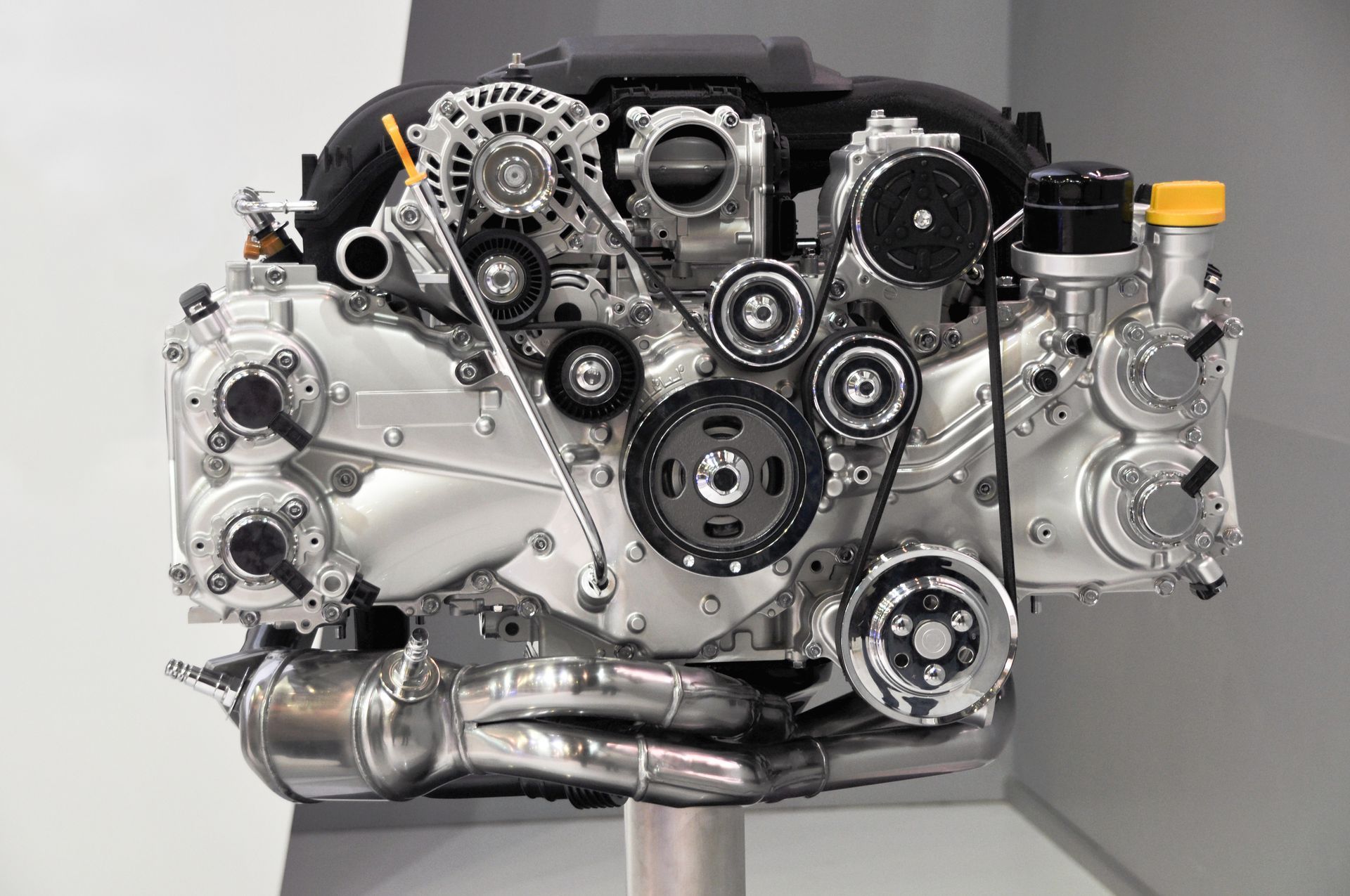
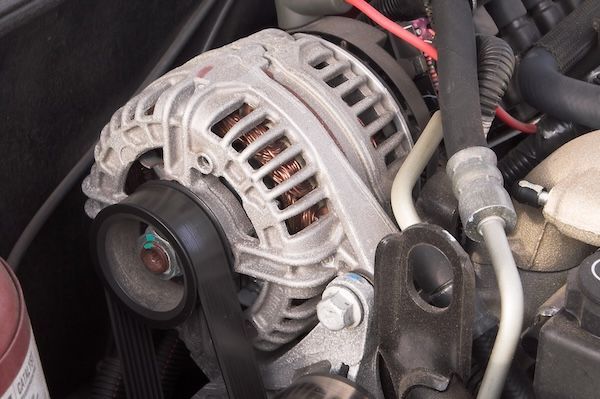
A serpentine belt can appear usable from above while its ribs are glazed, cracked, or beginning to separate. A weak tensioner or rough pulley may create only a short squeal during startup before becoming quiet.
If the belt breaks or comes off, the alternator and other accessories may stop working. On some vehicles, the water pump also stops, which can cause rapid overheating. Regular maintenance should include the belt, tensioner, pulleys, and nearby fluid leaks that may contaminate them.
Why Small Changes Deserve Attention
New noises, smells, vibrations, warning lights, and fluid loss are easier to diagnose when they are still consistent enough to reproduce but have not yet caused secondary damage. Mention when the symptom appears, whether the engine is hot or cold, and how speed or braking changes it.
Service history also helps identify overdue parts and fluids. A practical repair plan can prioritize safety concerns first, then address developing wear before it interrupts your daily driving.
Get Preventive Auto Repair In Lyndonville, VT, With Burke View Garage
If your vehicle has developed a new noise, fluid leak, vibration, starting delay, or change in braking or shifting, Burke View Garage in Lyndonville, VT, can evaluate the affected systems.
Contact us to schedule an appointment before a small warning becomes an unexpected breakdown.