The car starts on a freezing morning, but it resists moving when you try to leave. The parking brake appears to be released. You press the switch again or lower the lever once more, wondering whether the cold has locked something underneath.
Both electronic and cable-operated parking brakes face winter problems. An electronic design removes some cable-related trouble on certain vehicles, but it still operates brakes exposed to moisture and freezing temperatures. The under-car design is more exposed than the control beside the seat.
Why Cable Parking Brakes Stick in Freezing Weather
A parking-brake cable moves inside a protective housing. When the covering splits or an end seal deteriorates, water enters where the cable should slide. Corrosion already makes that movement harder. If trapped moisture freezes, the cable may stay tensioned after you release the lever.
That often starts as occasional stiffness before becoming a winter no-release complaint. A hand lever that suddenly feels loose after release doesn't confirm the rear brakes have opened. The cable or a lever at the wheel may still be stuck. Driving against the drag creates heat and wears the brake even if the engine has enough power to move the car.
Electronic Parking Brakes Remove Some Cables, Not All of Them
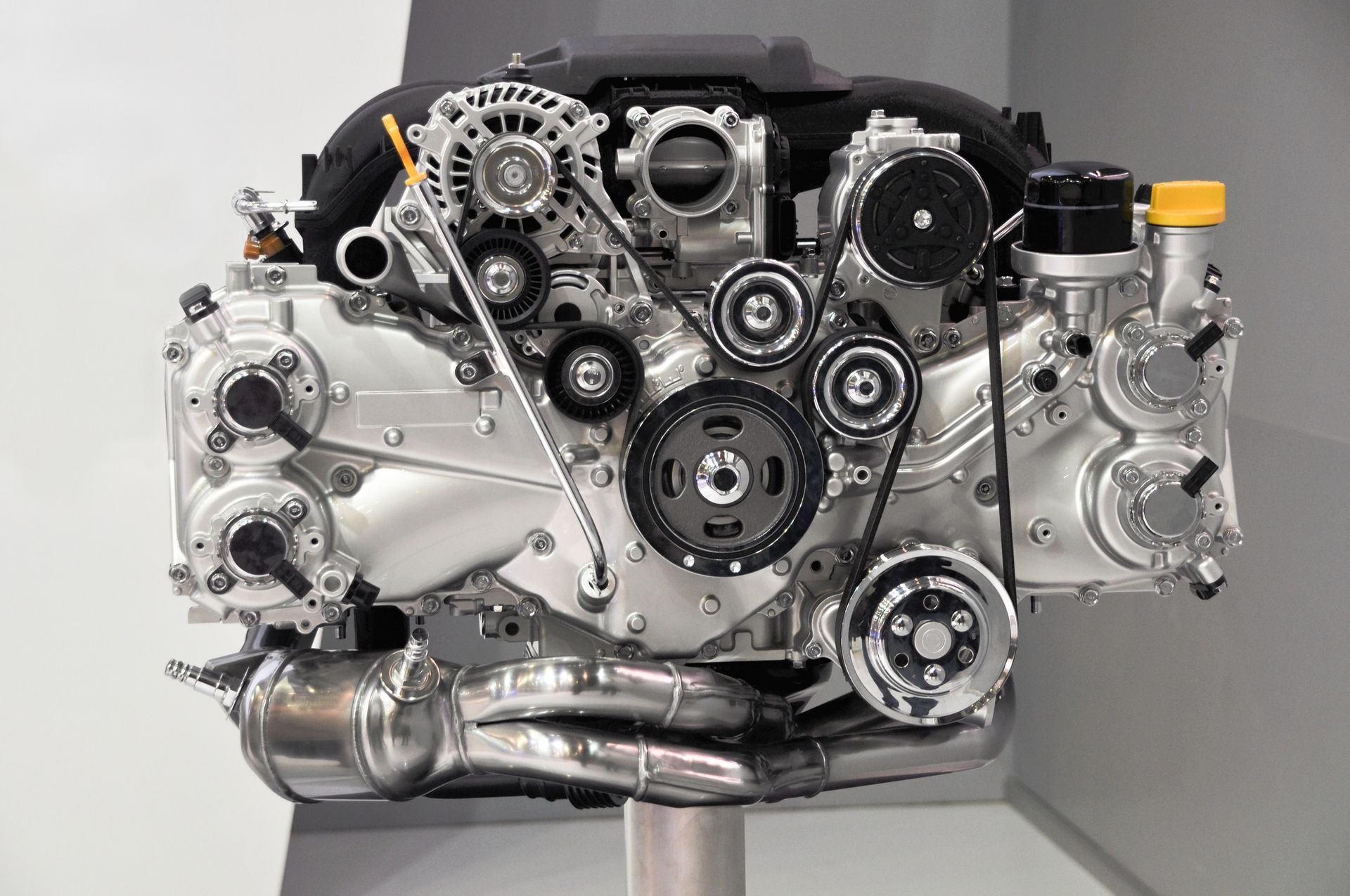
Many electronic parking brakes use motors directly attached to the rear calipers. Those cars don't have long handbrake cables running from the cabin to the wheels. Eliminating that route removes one place for moisture and corrosion to interfere with release.
Other electronic brakes use a central actuator that pulls cables. Their winter checks still include cable movement and damaged protective coverings. A vehicle with a parking-brake switch might therefore experience a cable problem that sounds very much like the one an older handbrake develops.
Brake Pads and Parking-Brake Shoes Still Get Wet
Water and slush reach the rear brakes regardless of how they're applied. After wet parking, friction material can stick to a rotor or drum surface, and freezing conditions can make the hold even more stubborn. Corrosion, worn hardware, or a sticking caliper can also keep a wheel tight.
A brief release noise differs from a brake that continues dragging. If the car struggles to roll, a warning stays on, or you smell hot brakes, stop trying to drive through it. The job is to find what is holding the wheel, not to generate enough engine force to overcome it. Keep hands away from brake parts that may already be hot.
Cold Weather Also Exposes Weak Battery Power
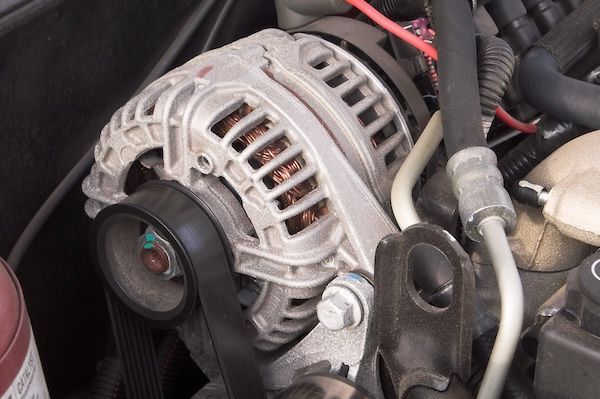
An electronic parking brake needs sufficient electrical power to carry out its commands. Cold weather reduces a battery's available starting power and often exposes a battery that was already weak. After slow cranking or a failed start, a parking-brake warning may appear along with other low-voltage complaints.
That is different from ice holding a cable. Battery and connection checks belong early in the inspection when several electrical warnings appear together. After restoring voltage, you also need to check the brake itself. Repeatedly pressing the switch won't repair a seized actuator or a corroded connector.
Winter Parking Brake Symptoms to Describe
Before arranging help, note these details while safely parked:
- Whether the problem followed rain, washing, or deep slush
- Whether the engine also cranked slowly
- The exact parking-brake warning
- Whether an actuator can be heard
- Whether one rear wheel seems to remain held
- Whether the trouble disappears after the vehicle warms indoors
- Any stiffness that existed before the cold snap
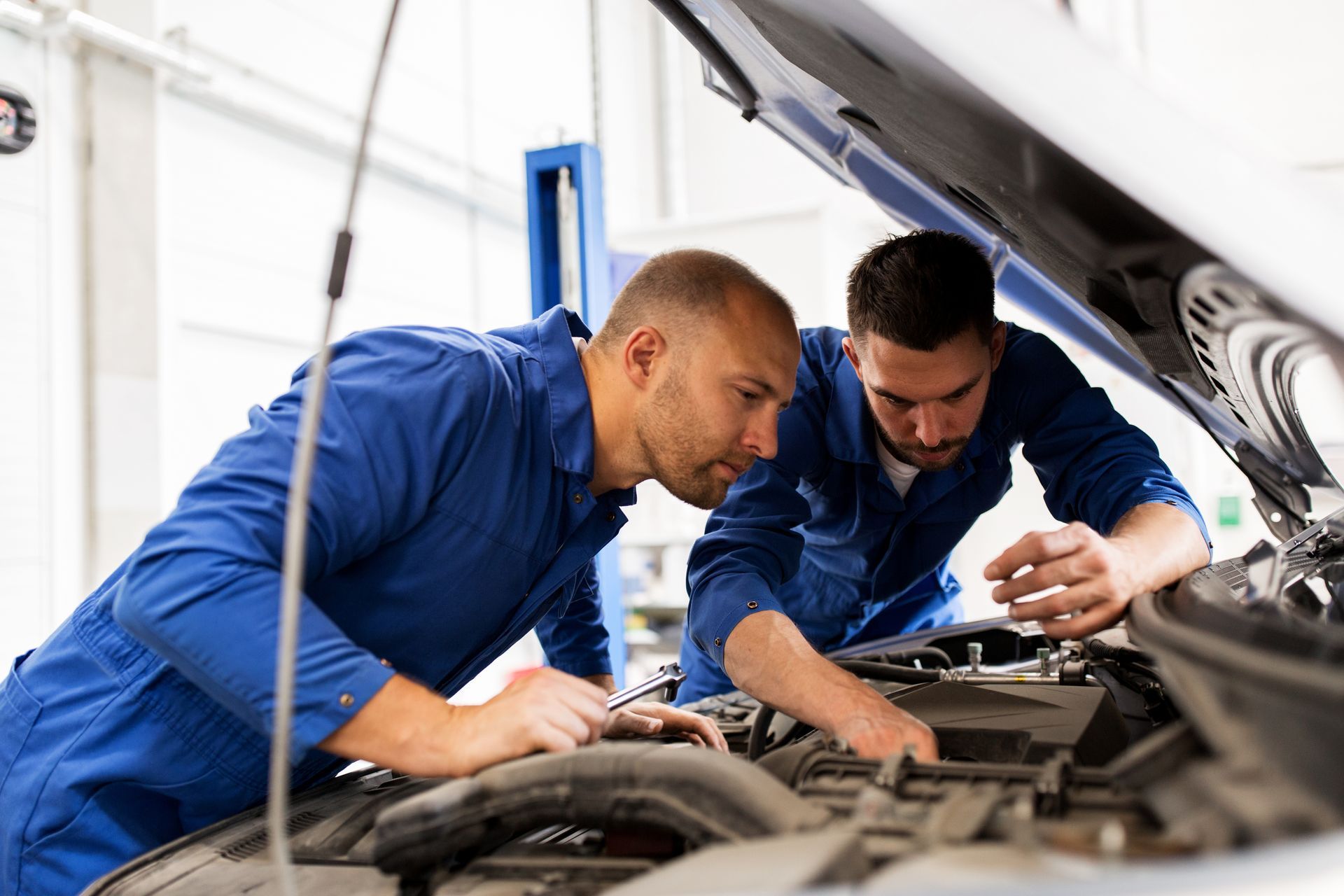
Those observations separate a temperature-related pattern from a new year-round fault. The technician checks cable coverings where fitted, rear brake movement, actuator connections, and electrical supply according to the complaint. Deliberately repeating a dragging-brake drive isn't needed to demonstrate it.
Follow the Vehicle's Cold-Weather Parking Instructions
Parking-brake recommendations vary by vehicle and conditions. Follow the owner's manual, including any cold-weather exceptions and the instructions for securing the car. Don't simply leave a vehicle unsecured because someone says parking brakes freeze. The transmission position, slope, and any required wheel chocks all affect what holds it safely.
Never thaw brakes with an open flame or pour boiling water over them. If the brake won't release through the approved procedure, arrange assistance and describe the locked wheel or warning. A recovery operator needs that information before loading the car.
Get Parking Brake Service in Lyndonville, VT, With Burke View Garage
Burke View Garage in Lyndonville, VT, can check a parking brake that sticks during cold weather, a damaged cable, or an electronic release problem. Explain what the car did before the freeze and whether the battery was struggling too.
Call us to arrange parking brake service before the next cold morning.